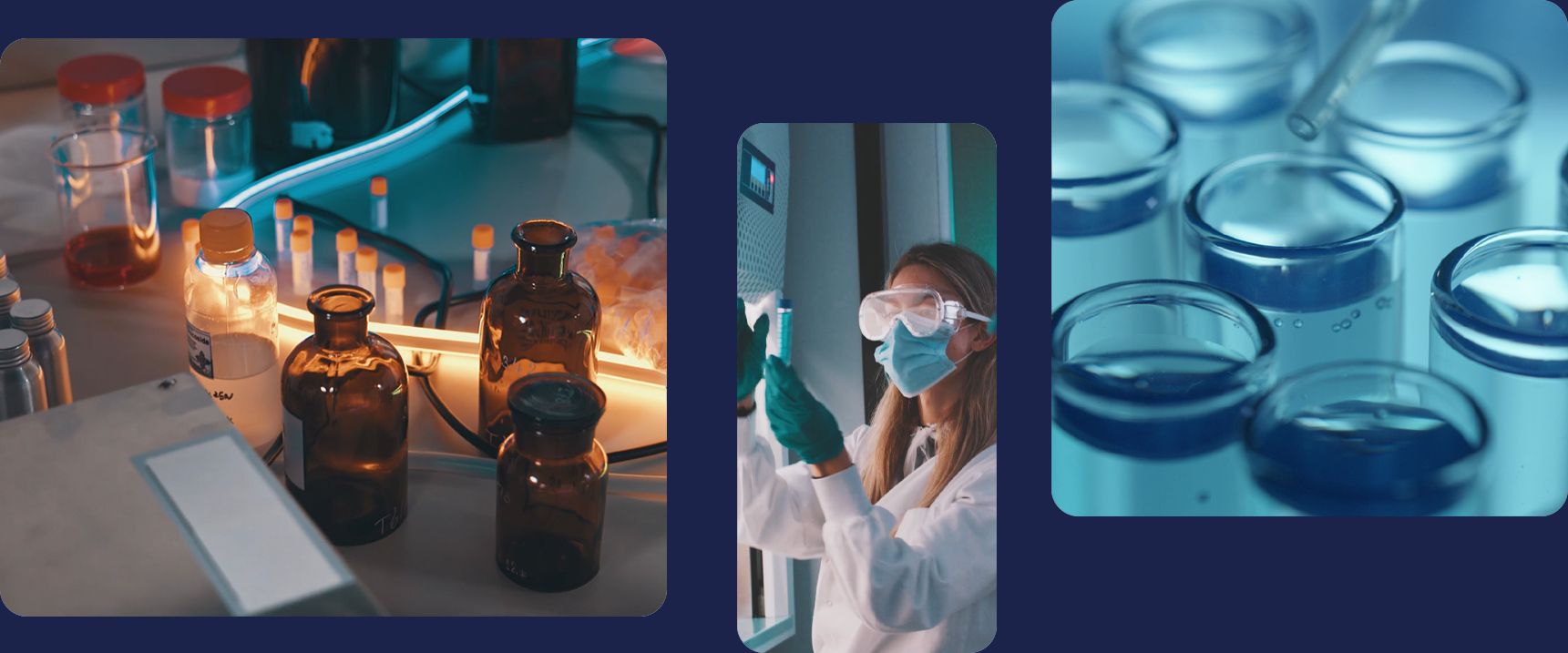
Catechol (phenol) assay
| Expertise | Physico-chemical, Nutritional |
|---|---|
| CAS NO | 120-80-9. |
Description
Catechol, or 1,2-dihydroxybenzene, is a phenolic compound naturally present in certain plants and widely used as a chemical intermediate in many industries. It plays a role in the synthesis of polyphenols, resins, dyes, and antioxidants, as well as in the formulation of biocides, polymers, and cosmetic products. Due to its reactivity and its role in redox mechanisms, its quantification is crucial for controlling industrial processes and standardizing plant extracts.
Catechol analysis is essential to ensure regulatory compliance, guarantee the quality of raw materials, document the presence of potentially irritating or reactive compounds, and verify the stability of formulations. In the nutraceutical, botanical, cosmetic, and environmental sectors, this measurement helps to ensure the safety of finished products and meet the requirements of specifications.
Analytical methods and measurement principles
Catechol measurement is based primarily on two approaches:
- High-performance liquid chromatography (HPLC) is recommended for plant extracts and aqueous matrices
- Gas chromatography coupled with mass spectrometry (GC-MS) is preferred for technical formulations or matrices requiring high sensitivity
The choice of method depends on several factors: polarity of the medium, volatilization temperature, sample complexity, regulatory thresholds, or the requirement for trace quantification. Specific preparations, such as derivatization, may be necessary to improve detection or stabilize the compound. These techniques ensure reliable separation of catechol from other closely related phenols, such as hydroquinone or resorcinol, present in certain matrices.
Commonly analyzed matrices
Catechol assays can be applied to a wide range of matrices:
- plant extracts rich in polyphenols
- dietary supplements and plant powders
- technical solutions, solvents or industrial formulations
- cosmetic or dermatological matrices
- resins, polymers or technical materials
- effluents and environmental matrices
For complex plant extracts, catechol analysis is often part of a broader polyphenolic profile that may include other molecules such as esculin, coumarin or certain terpenes measured via the Volatile Compounds (Essential Oils, Terpenes) Dosage .
Industrial applications and quality challenges
Catechol assay applications cover numerous sectors:
- standardization of nutraceutical ingredients
- evaluation of the purity of chemical substances intended for synthesis
- quality control of solvents or technical formulations
- validation of oxidation or polymerization processes
- control of phenolic contaminants in environmental matrices
In the natural extracts industry, catechol analysis allows for monitoring the oxidation of polyphenols, a crucial parameter for the stability of antioxidant-rich products. In technical formulations, it helps monitor the presence of potentially irritating or regulated compounds. For industrial or environmental matrices, the analysis follows the same logic as tests such as the analysis of semi-volatile organic compounds , which are frequently combined for a comprehensive view of the composition.
Further analyses recommended
Depending on the nature of the sample and the project objectives, catechol measurement can be combined with several other analyses:
- determination of total polyphenols
- dosage of specific flavonoids
- analysis of the overall chemical composition
- contaminant detection via broad-spectrum GC-MS or LC-MS
- pH or conductivity measurement for technical solutions
These tests provide a complete and consistent profile, particularly useful in product development or quality control projects.
Why entrust this analysis to YesWeLab?
YesWeLab relies on a network of expert laboratories, equipped with HPLC, GC-MS, LC-MS/MS and related techniques, rigorously selected for their expertise and compliance with ISO 17025 and COFRAC standards. Depending on the matrix, the required detection thresholds, and regulatory constraints, we identify the most suitable laboratory to guarantee accurate, reliable analysis performed as quickly as possible.
Our scientific team supports each client from the initial needs assessment to the interpretation of results, ensuring optimized turnaround times, minimal costs, and consistent data quality. Since 2020, over 200 industrial companies have relied on our platform to centralize their analytical management and benefit from a turnkey service.
Other analyses we perform
Similar products
-

Turbidity analysis
Turbidity
-
Analysis of gelation
Viscometric
-
Analysis of flocculation dynamics
Turbidimetry